The darknet has long intrigued both law enforcement and curious individuals due to its association with illicit activities, including the sale of drugs, weapons, and stolen data. Among its most complex operations is controlled delivery, a technique utilized by authorities to combat crime while allowing some activities to proceed under surveillance. This article delves into the world of darknet market controlled delivery, exploring its mechanisms, implications, and the ongoing cat-and-mouse game between criminals and law enforcement agencies.
Darknet Market Controlled Delivery
- What’s significant about this estimate is that it covers only “drug-focused” darknet markets (DNMs), with TRM Labs using a definition of DNMs that excludes marketplaces that trade only in illicit cyberservices.
- OFAC’s Economic Sanctions Enforcement Guidelines provide more information regarding OFAC’s enforcement of U.S. sanctions, including the factors that OFAC generally considers when determining an appropriate response to an apparent violation.
- Solutions like SAGA® by Munit.io help organizations gain visibility, detect emerging risks, and act quickly when their data, credentials, or brand appear in underground markets.
- According to the Hydra users we interviewed, reviews were an important factor in choosing between vendors.
- A darknet market is a commercial website on the dark web that operates via darknets such as Tor and I2P.
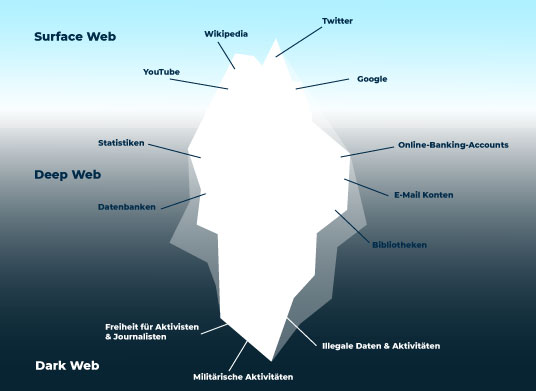
This includes databases, academic journals behind paywalls, webmail accounts, online banking, and intranet systems. This includes news sites, blogs, online stores, and social media platforms. Over time, developers created services hosted on Tor’s network, often called “.onion” sites, that could only be accessed using Tor.
In 2015, LegalRC and WayAWay partnered to popularize a new marketplace, Hydra, which competed with RAMP until the latter was shut down by the Russian police in September 2017 (VICE, 2020b). The official drug policy in Russia focuses on criminalization (Lilja, 2021), and there is limited availability of harm reduction services in the country (Harm Reduction International, 2022). This paper provides details of the counterfactual experience of what may occur if a darknet marketplace is given scope to develop.
Controlled delivery refers to a law enforcement strategy where packages or goods, suspected to contain illegal substances, are monitored as they move from one location to another. This allows authorities to identify and apprehend individuals involved in the distribution chain. In the context of the darknet market, controlled deliveries are particularly significant due to the anonymity that buyers and sellers often enjoy.
How Controlled Delivery Works
While the specifics may vary by jurisdiction, the fundamental process typically involves the following steps:
- Package Interception: Authorities locate a suspicious package, usually linked to a darknet transaction.
- Monitoring: The package is then monitored as it proceeds through the mail system.
- Delivery Setup: Law enforcement may arrange for the package to be delivered to a designated address, often equipped with surveillance equipment.
- Arrest: Once the recipient picks up the package, agents execute an arrest.
Through this method, law enforcement is able to gather evidence, track larger distribution networks, and apprehend multiple suspects involved in the crime.
Advantages of Controlled Deliveries
- Evidence Collection: Controlled delivery operations allow authorities to collect critical evidence for prosecution.
- Network Disruption: They help disrupt broader criminal networks by targeting not just the end-user but also suppliers and distributors.
- Deterrent Effect: The knowledge of potential law enforcement actions can deter some individuals from participating in illegal transactions.
Challenges Faced
Despite its effectiveness, darknet market controlled delivery is not without challenges:
- The rapidly evolving technology used by criminals often outpaces law enforcement capabilities.
- Legal and ethical concerns arise regarding privacy rights and the potential for overreach.
- Logistical challenges in tracking and managing packages through multiple jurisdictions.
FAQs about Darknet Market Controlled Delivery
Q: Is controlled delivery legal?
A: Yes, controlled delivery typically operates under specific legal guidelines, designed to ensure that law enforcement can effectively manage and investigate criminal activity.
Q: What types of goods are typically involved in controlled deliveries?
A: Controlled deliveries often involve illegal drugs, counterfeit goods, and potentially stolen data or hacking tools.
Q: Can users of darknet markets be caught using controlled delivery?
A: Yes, users can be apprehended if they are receiving suspicious packages that law enforcement is monitoring as part of a controlled delivery operation.
Darknet market controlled delivery represents a double-edged sword in the ongoing battle against online crime. While it serves as a critical tool for law enforcement, it also poses questions about privacy, ethics, and the effectiveness of traditional policing methods in an increasingly digital world. As criminals adapt and develop new strategies, authorities will continue to refine their approaches to combat the challenges posed by the darknet.