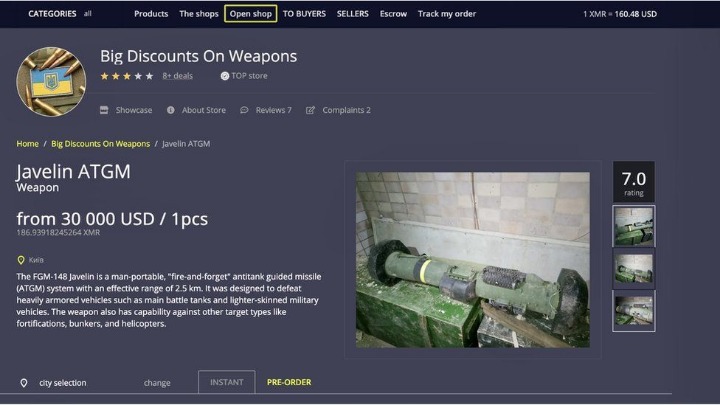
This is the part of the internet known as the dark web, and it’s accessible via mainstream search engines such as Google. New darknet sites and markets continuously emerge to replace those that get shut down. The deep web includes all content not indexed by search engines, like password-protected sites and private databases. However, it’s also used for illegal activities like drug trafficking, weapon sales, and stolen data trading.
The darknet is a complex and often misunderstood part of the internet. Unlike the surface web, which is indexed by search engines and easily accessible, the darknet encompasses hidden networks that require specialized software, configurations, or authorization to access. This guide aims to provide a comprehensive overview of the darknet, exploring how to access it safely, the types of content available, and potential risks involved.
- Many DNMs sell “pressed pills” which are fake pills cut with more dangerous illegal substances.
- Tor is a browser engineered for extra security and privacy, and can be used to navigate the normal, surface web as well as the dark web.
- If you make use of a password manager, then it may come with a feature that monitors the dark web for mentions of your email address and password, or any other personal details.
- Basically, it’s a part of the internet that isn’t indexed by search engines.
- The popular Silk Road was the first dark web marketplace that you could only access via the Tor Browser.
- Transactions within dark markets predominantly involve cryptocurrencies like Bitcoin, Monero, or Ethereum.
Interestingly, darknet sites also offer stolen documents and passports from around the globe. It means that the dark web contains illegal and disturbing content. Whatever your reasons for entering the dark web are, you must follow some crucial steps to ensure your safety so that you can access it in an entirely safe and anonymous way. Talking about the fundamentals, the dark web and the darknet guarantee privacy and anonymity.
With all of that in mind, you need to tread carefully when browsing, in terms of the sites you visit and the other users you interact with. You might often see news stories about criminal activity involving the dark web, and because of what's happening in some corners of the dark web, it tends to put off law-abiding companies and users alike. Some of these sites can be found through regular web browsers, but you'll then need to switch over to Tor once you've got the onion links you want to follow. Other dark web search engines worth investigating are Ahmia, Torch, NotEvil, and the Onion URL Directory—just type out some keywords for what you're looking for. This search engine will get you to the sites you need, though you can also go directly to dark web addresses if you know what they are, as with standard URLs.
Darknet Guide
Understanding the Darknet
The darknet consists of various networks that aren't accessible through standard web browsers. These networks often use anonymizing software like Tor or I2P to conceal users' identities and locations. The most well-known aspect of the darknet is its association with illegal activities; however, it also hosts forums for privacy advocates, journalists, and whistleblowers seeking to communicate without fear of surveillance.
Accessing the Darknet
To navigate the darknet effectively, you first need to download the appropriate software. The Tor Browser, a modified version of Firefox, is the gateway to accessing .onion sites, which are only reachable through the Tor network. For I2P, you will need to set up the I2P router to access its unique hidden services. Always ensure that your software is up to date and configured correctly to maintain your privacy and security.
Navigating Darknet Sites
Once connected, users can find a plethora of content ranging from forums, marketplaces, and blogs to more illicit materials. Darknet marketplaces often sell illegal drugs, counterfeit goods, and hacking services. However, it’s crucial to approach these areas with caution. Many sites can be scams or lead to law enforcement action, so conducting thorough research before engaging with any service is vital.

Risks and Precautions
While the darknet offers anonymity, it is not without risks. Cybersecurity threats including malware, scams, and phishing attacks are prevalent. Furthermore, law enforcement agencies monitor certain activities on the darknet, leading to potential legal repercussions for users. To mitigate risks, utilize a Virtual Private Network (VPN) alongside the Tor Browser for an additional layer of encryption, avoid sharing personal information, and remain skeptical of deals that seem too good to be true.
Staying Safe Online
Practicing good security hygiene on the darknet is crucial. Always use strong, unique passwords and consider employing a password manager to keep track of them. Regularly update your software, including your operating system and any applications used for darknet access. Awareness of social engineering tactics and remaining vigilant against deceptive practices can significantly enhance your safety.
Concluding Thoughts
The darknet is a double-edged sword, offering both opportunities and dangers. While it can serve as a platform for free expression and access to information, it is essential to navigate it with caution and awareness. By following this darknet guide, you can explore this hidden part of the internet while minimizing risks and protecting your privacy.