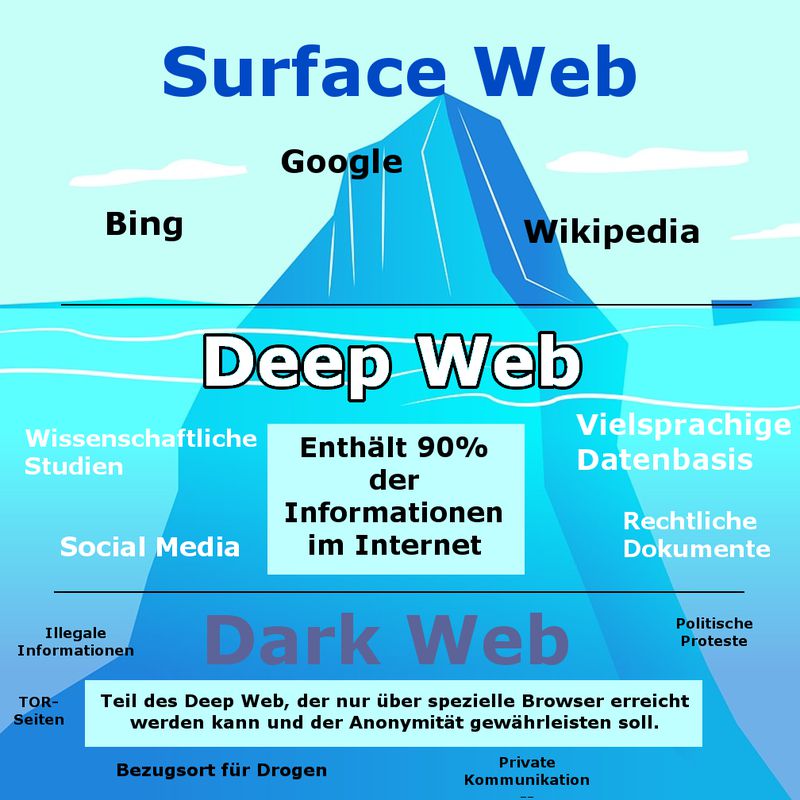
In recent years, darknet markets have emerged as a significant hub for illegal activities, including the trade of drugs, weapons, stolen data, and counterfeit goods. Law enforcement agencies worldwide have intensified their efforts to combat this hidden part of the internet, resulting in a series of high-profile arrests. These operations signal a concerted effort to dismantle the infrastructures that enable such illicit commerce. The following sections explore notable arrests and operations that have shaped the narrative around darknet markets.
Darknet Market Arrests
The market's administrator, a 30-year old German man, was arrested in Barcelona, Spain. The market's takedown came after years of effort from Germany, Netherlands, Romania, Spain, Sweden and the United States. Shoppers consistently rely on these review mechanisms to assess product quality and vendor reliability before committing to a purchase. Cryptocurrency tumblers and privacy-focused wallets provide the first layer, effectively obfuscating the financial trail of Bitcoin and Monero transactions.
Operation DisrupTor
In 2020, law enforcement agencies from multiple countries launched Operation DisrupTor, targeting several prominent darknet markets. Through this operation, authorities arrested 179 individuals worldwide, successfully shutting down over 50,000 listings of illegal goods. This significant crackdown highlighted the global collaboration between law enforcement, with agencies such as the FBI and Europol playing key roles. The operation not only dismantled major platforms but also sent a strong message that the anonymity of the darknet is not a shield against the law.
AlphaBay and Silk Road 2.0
- THE HAGUE, Netherlands (AP) — Authorities in the U.S. and Europe arrested nearly 300 people, confiscated over $53 million, and seized a dark web marketplace as part of an international crackdown on drug trafficking that officials say was the largest operation of its kind.
- It supported 5,400 vendors and about 1.15 million customers worldwide.
- A market's presence on a verified darknet market list is a primary indicator of its stability and reliability, serving as a crucial vetting mechanism for users.
- In addition to Wednesday’s arrests, agents served multiple federal search warrants and found evidence to include large amounts of cash, distribution amounts of suspected drugs.
- This additional step obscures the origin of the coins, making financial tracking exceedingly difficult and thereby strengthening the overall security posture of the transaction.
The takedowns of AlphaBay in 2017 and Silk Road 2.0 in 2014 marked pivotal moments in the history of darknet markets. The arrest of the alleged operator of AlphaBay led to the seizure of around $23 million in cryptocurrency, underscoring the economic impact of such platforms. Similarly, the downfall of Silk Road 2.0, which followed the arrest of its creator, Ross Ulbricht, showcased the struggles authorities faced in managing such decentralized platforms. Each of these incidents resulted in both immediate arrests and ongoing investigations into the individuals involved.
Recent Trends and Challenges
Despite the ongoing efforts, darknet markets continue to evolve rapidly. New marketplaces emerge constantly, often learning from the mistakes of their predecessors. The adaptation of security measures, such as encrypted communication and cryptocurrency transactions, complicates law enforcement operations. However, with advancements in technology and investigative techniques, agencies are better equipped to track and arrest those responsible for operating these illicit marketplaces. The arrest of various darknet drug dealers and vendors in recent years serves as a testament to this ongoing battle.
The Role of Cryptocurrency
Cryptocurrencies play a vital role in darknet market transactions, enhancing anonymity for both buyers and sellers. However, law enforcement has also started to leverage blockchain forensic tools to trace illicit funds. Arrests linked to money laundering operations have increased, with authorities focusing on both the products sold on darknet markets and the financial networks that support them. The intersection of law enforcement and financial technology is becoming increasingly critical in the fight against darknet-related activities.
Conclusion

The landscape of darknet market arrests reveals a complex and ongoing struggle between illicit activity and law enforcement efforts. While significant strides have been made in dismantling these networks, the adaptability of darknet markets makes it clear that this battle is far from over. Continued collaboration among international agencies and the use of advanced investigative techniques will play critical roles in future operations aimed at securing justice in this shadowy corner of the internet.