In addition to offering narcotics for sale, Nemesis facilitated the sale of a wide variety of other goods and services such as false identification documents and professional hacking services that enabled buyers to hire hackers to illegally seize control of the online accounts and communications of selected victims. Nemesis had over 30,000 active users and 1,000 vendors and facilitated the sale of nearly $30 million worth of drugs around the world between 2021 and 2024, including to the United States. Sources also do not provide definitive global case law that changes the baseline rule that transactions in illegal goods or services are prosecutable (available sources do not mention a new, universal legal framework). Legal status of marketplaces like Styx — using them is criminal, hosting them is prosecutable
- The social media giant is also aware of the many attempts by repressive regimes to restrict its access.
- This market is not open to the general public and is subject to a thorough vetting process to ensure its security.
- In 2019, there were approximately 8,400 active sites on the dark web, selling thousands of products and services daily.
- Discovering that your personal data is circulating on the dark web is akin to a personal violation.
- The most common darknet software is the free and open-source Tor, short for the Onion Router.
- The market offers things like malware, fake documents, and financial fraud services.
Undercover operations are also vital for these operations, with agents posing as buyers or sellers to infiltrate these markets. In fact, some of the most profitable illegal digital products on the dark web are crypto accounts, online banking credentials, and e-wallets. These days, the types of illicit goods and services available have become far more advanced and dangerous. These platforms also often have built-in encryption for communications and transactions, making it hard for law enforcement to track down the individuals involved. Radar Rundown The dark web hosts a ton of legal and illegal websites that contain unrestricted infor…
The darknet illegal market is a shadowy realm of the internet where anonymity reigns and illicit goods and services flourish. While the surface web is governed by well-known search engines and protocols, the darknet operates on hidden networks, making it accessible only through specific software and configurations. This underground economy has garnered significant attention for its role in facilitating everything from drug trafficking to illegal arms sales, often evading traditional law enforcement methods.
Darknet Illegal Market
Following Hydra’s seizure, the twelve new Russian-language marketplaces amassed approximately 24% more volume in a period of five months than Hydra did in the first five months of the year when it was still live. Despite Hydra’s historically large volumes – the marketplace received more than $400 million between January 2022 and its demise in April (detailed here) – the new generation of DNMs has caught up quickly. Some markets also offer legitimate goods and services, such as digital products and software.
At the heart of the darknet illegal market lies a myriad of marketplaces hosting vendors who offer a wide range of illegal products and services. Cryptocurrency, particularly Bitcoin, plays a vital role in these transactions, as it allows users to remain anonymous while exchanging value. This financial layer enhances the appeal of darknet markets for those looking to engage in illicit activities without leaving a trace.
Types of Goods and Services
Illegal drugs are undoubtedly the most common offerings found on darknet illegal markets, with vendors providing everything from prescription medications to recreational drugs. However, the scope of goods and services has expanded over time, now including:
- Hacking services: Skilled hackers offer to compromise systems, steal data, or conduct DDoS attacks.
- Counterfeit currencies: Some marketplaces specialize in the sale of forged bills or fake identification documents.
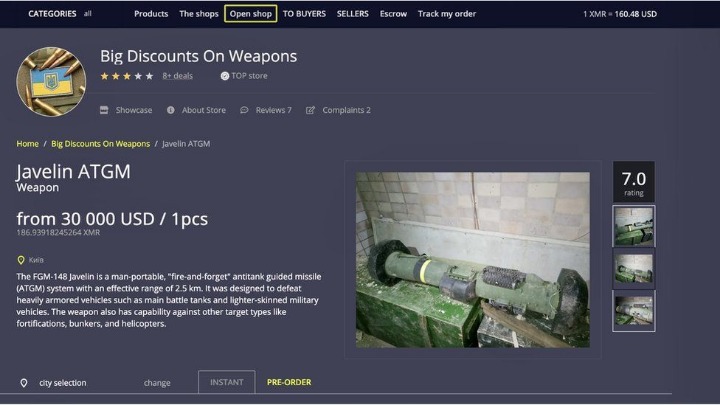
- Illegal firearms: Weapons and ammunition are increasingly available, raising concerns about offline violence.
Risks and Dangers
Engaging in the darknet illegal market comes with significant risks. Law enforcement agencies worldwide monitor these underground platforms, employing sophisticated tactics to infiltrate and shut them down. Users face potential legal repercussions, including hefty fines and imprisonment for participating in illegal transactions.
Moreover, the darknet illegal market can be rife with scams and fraudulent vendors. Users often risk their financial data or personal information when navigating these sites, and there are numerous cases of buyers being defrauded after placing orders for non-existent products.
The Role of Law Enforcement
In recent years, law enforcement has ramped up efforts to combat the darknet illegal market, with notable successes that have resulted in the seizure of goods, funds, and the arrest of key players. Special task forces are dedicated to tracking these marketplaces, often leading to the takedown of major sites. Yet, the battle against the darknet illegal market remains ongoing, as new marketplaces frequently emerge to replace those that are dismantled.
Future of the Darknet
The future of the darknet illegal market remains uncertain. As technology evolves, so do the methods of both vendors and law enforcement. Enhanced encryption and privacy tools may allow for greater anonymity and security for those operating outside the law. However, increased attention from governments and international organizations suggests that a concerted effort may eventually curb some of the darker aspects of this hidden web.
In conclusion, the darknet illegal market represents a complex intersection of technology, crime, and social issues. As it continues to adapt to changing conditions, it will remain a focal point for discussions surrounding legality, morality, and the limits of digital anonymity.